

The once-familiar scenes of sprawling tent encampments and serpentine queues outside northern Mexican border checkpoints have given way to a stark, troubled silence. Across major transit hubs such as Ciudad Juárez and Tijuana, civil society and faith-based migrant shelters are operating at a mere 15% of capacity, a funding crisis that has forced roughly half of the regional shelter network to shut its doors indefinitely.
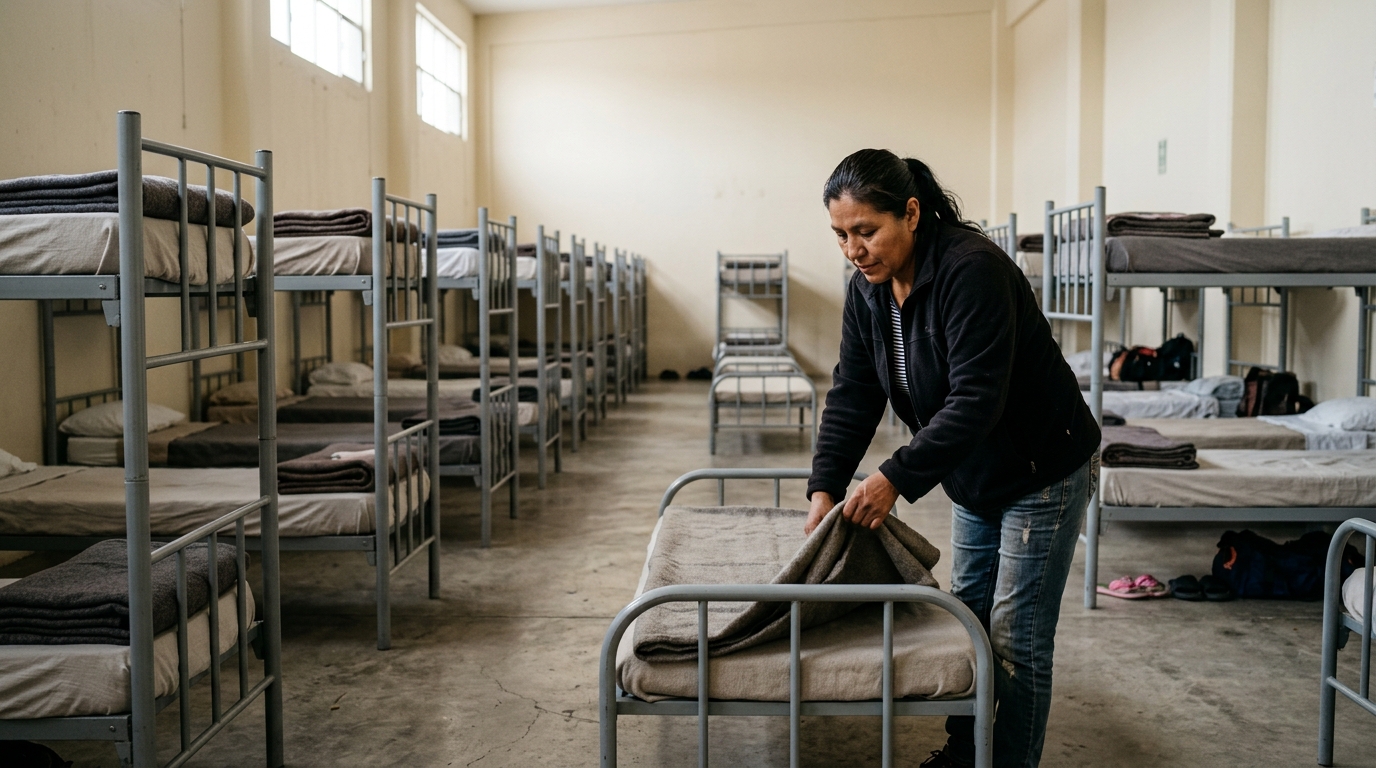
“The silence in our dormitories does not mean the humanitarian crisis has ended; it means families are stranded in southern Mexico or driven into lethal clandestine paths, while shelters run dry of resources to survive.”
— Northern Border Coalition of Migrant Shelters
Fallout from the Termination of Asylum Scheduling
The permanent dissolution of the CBP One appointment mechanism combined with reinforced border barricades has fundamentally reorganized migration transit patterns. Bereft of legal processing avenues at ports of entry, prospective applicants are no longer congregating along the international divide, remaining trapped in southern states or absorbing into informal labor sectors across central Mexico.
The Peril of Dismantling Humanitarian Infrastructure
Advocacy leaders caution that allowing community shelters to disintegrate leaves the northern border catastrophically unprepared for sudden deportation surges. Sustaining community kitchens, basic medical outposts, and family accommodations demands emergency solidarity from domestic agencies and international humanitarian bodies to safeguard vital emergency networks.


