
Severely fortified borders and increasingly hazardous clandestine trails to the north have catalyzed an enduring structural realignment across regional migration flows. Recent assessments released by the International Organization for Migration (IOM) and the UN High Commissioner for Refugees (UNHCR) verify that 46% of migrants present in Mexico have decided to abandon northward transit and establish permanent residency.
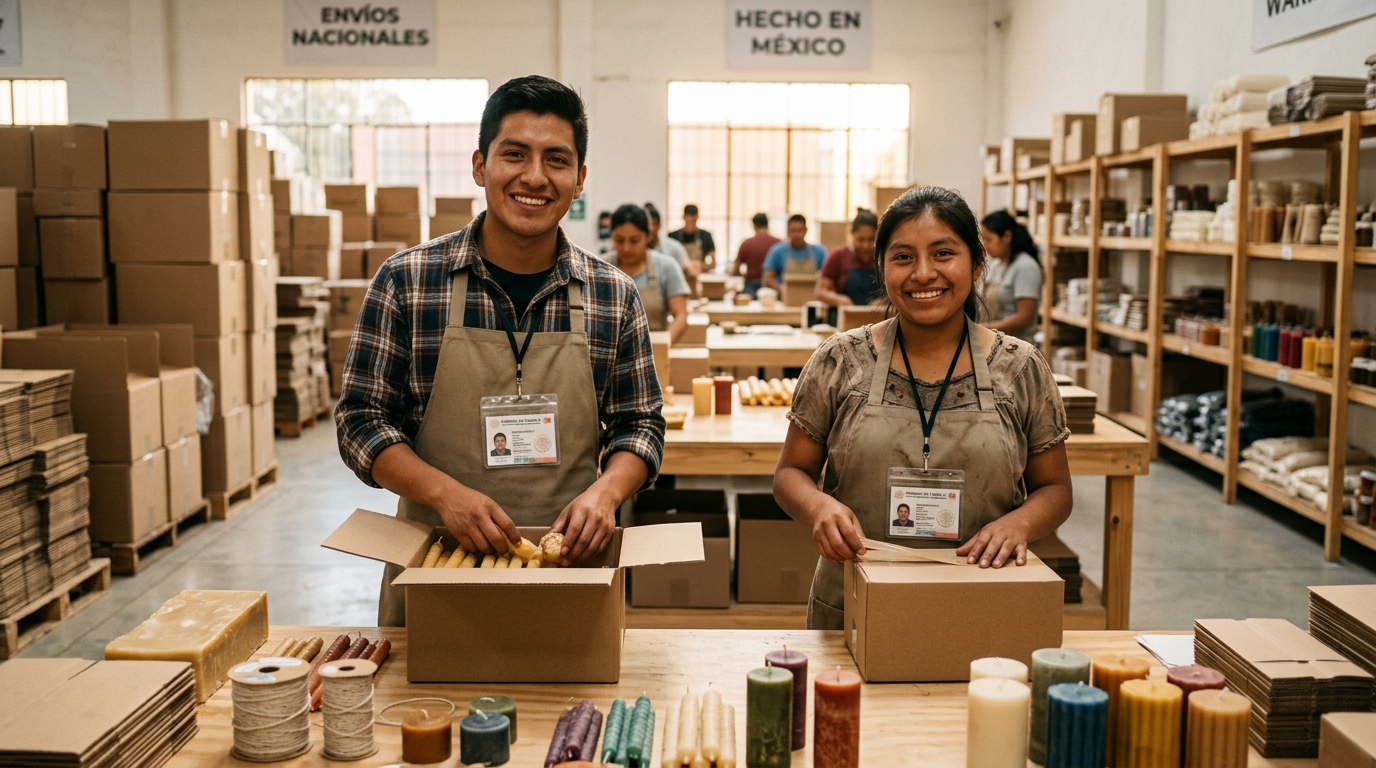
“Nearly half of all surveyed migrants across border and central hubs have chosen to formalize their residence in Mexico, prioritizing domestic workplace integration over insurmountable hurdles to reach the north.”
— International Organization for Migration (IOM) Mexico / UNHCR
From a Corridor of Passage to a Sanctuary of Opportunity
Urban centers including Monterrey, Guadalajara, Querétaro, and Mexico City are absorbing thousands of families from Venezuela, Colombia, Cuba, and Central America who are securing refugee credentials through COMAR or humanitarian visas. Heightened labor demand across industrial manufacturing, transport logistics, and retail commerce has accelerated their absorption into registered payrolls.
Persistent Hurdles to Full Economic Integration
While domestic integration presents a viable path forward, substantial administrative roadblocks remain: institutional backlogs at the National Migration Institute (INM), protracted issuance of unique tax IDs (CURP), and private banking access hurdles. Civil society alliances advocate streamlined regularization frameworks to transform regional migration into lasting communal prosperity.


