

Relocating to the United States almost universally resets an individual’s financial credit history to ground zero. To major credit repositories, newly arrived immigrants possess a “thin file.” In American society, your Credit Score (FICO / VantageScore) extends far beyond commercial borrowing: it dictates security deposit requirements on rental leases, determines automotive financing interest rates, and can even influence corporate security clearance and hiring evaluations.
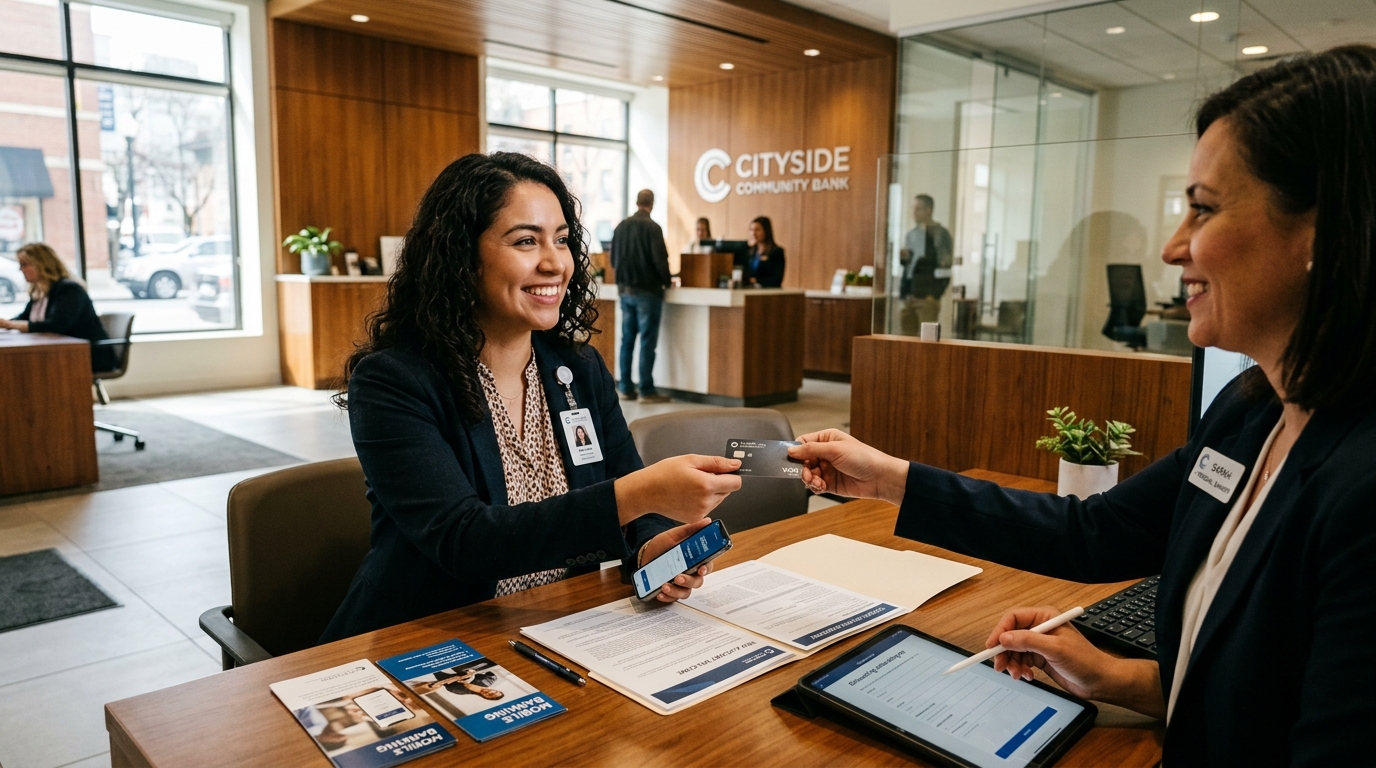
“Building a pristine credit profile does not mean carrying heavy debt. The golden rule for newcomers is utilizing secured credit products, keeping credit utilization below 10%, and never missing a statement due date.”
— Sarah L. Higgins, Banking Inclusion Officer / Cityside Community Bank
Opening Checking Accounts Without a Social Security Number
Under customer identification provisions of the USA PATRIOT Act, financial institutions are legally authorized to accept alternative foreign identity documentation. Numerous major commercial lenders and community Credit Unions permit newcomers to establish checking accounts using a valid foreign passport, consular ID (Matrícula), and local utility billing, enabling seamless wage direct deposits and bill payments.
Secured Credit Cards: The Engine of Rapid Credit Generation
The single most dependable vehicle to generate monthly reporting data across Equifax, Experian, and TransUnion is a Secured Credit Card. By placing a refundable security deposit (typically $300 to $500 USD), the issuing bank extends an identical credit line. Following 6 to 12 months of disciplined on-time payments, institutions graduate cardholders to unsecured accounts while returning the cash collateral in full.


