
Every dollar sent back to households across Mexico and Latin America embodies grueling labor, personal sacrifice, and essential sustenance for healthcare, groceries, and schooling. Yet for decades, traditional brick-and-mortar money transfer storefronts have extracted predatory commissions, manipulated exchange rates, and added hidden service surcharges. In 2026, amid legislative efforts to tax cash wires, selecting the optimal digital remittance channel is essential to safeguard hard-earned family savings.
“The true measure of remittance power is ensuring every cent reaches home intact. Households switching from storefront cash counters to low-cost digital accounts save upwards of $60 monthly purely on fees and currency spreads.”
— Dr. Rocio Vargas, Senior Fellow in Migration Economics / Center for Border Finance Studies
FINABIEN Cards and Community Credit Unions Leading the Transition
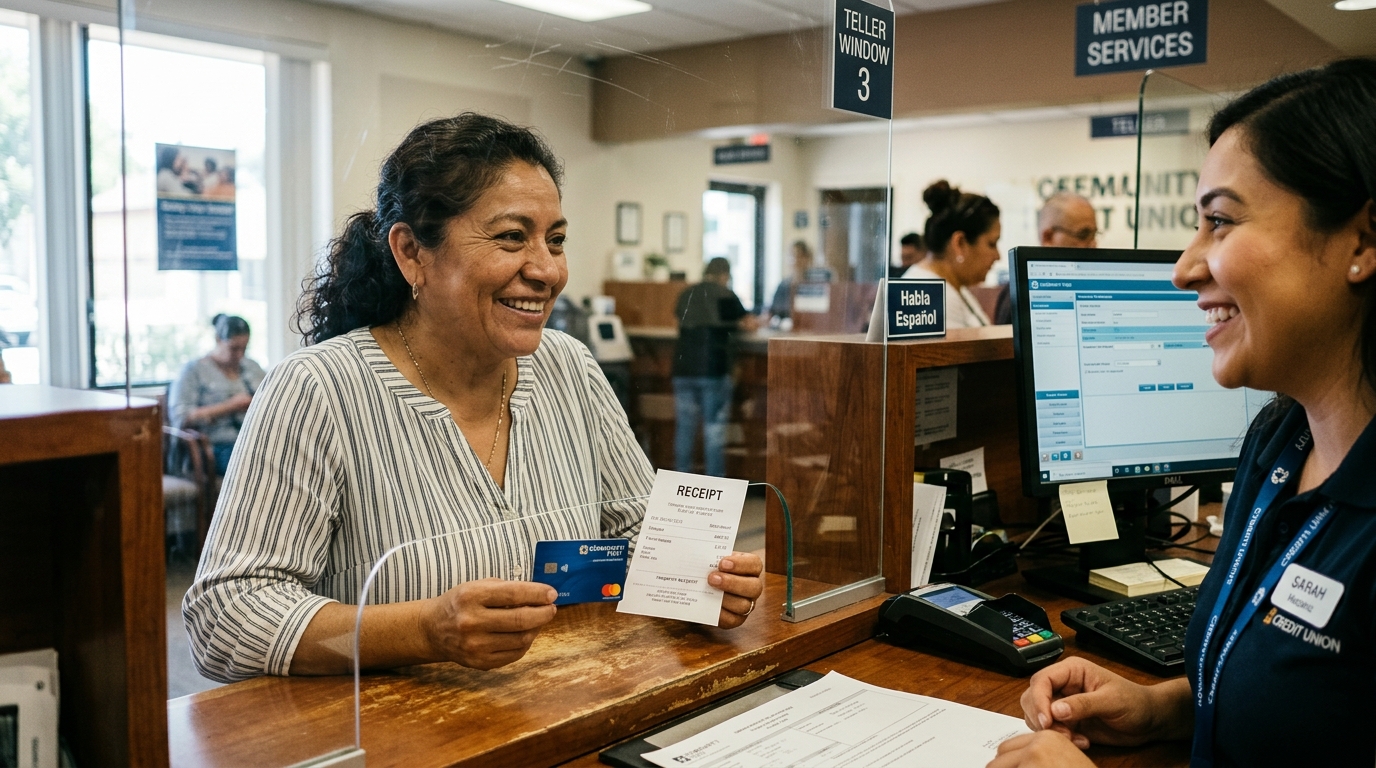
The Financiera para el Bienestar (FINABIEN) card, obtainable across Mexican consulates with a consular ID or passport, has proven to be the most cost-effective conduit, facilitating transfers up to $2,500 for a flat fee of just $3.99. In tandem, community credit unions throughout the U.S. now allow account openings using ITIN numbers, opening secure account-to-account transfer rails that bypass abusive currency markups entirely.
Actionable Steps to Guard Cross-Border Savings
Financial advocates recommend steering clear of unregulated corner storefronts, comparing real-time exchange rates via tools sanctioned by the Consumer Financial Protection Bureau (CFPB), and maintaining rigorous privacy over PIN codes and personal account credentials to prevent emerging digital imposter schemes.


