

Diplomatic relations between Mexico and the United States are traversing one of their most intricate junctures regarding human mobility and international protection. As congressional factions in Washington demand that Mexico formally cement permanent “safe third country” status and absorb thousands of turned-away international asylum seekers, Mexican authorities have held a firm posture: bilateral border management must honor mutual respect, national sovereignty, and verifiable human dignity.
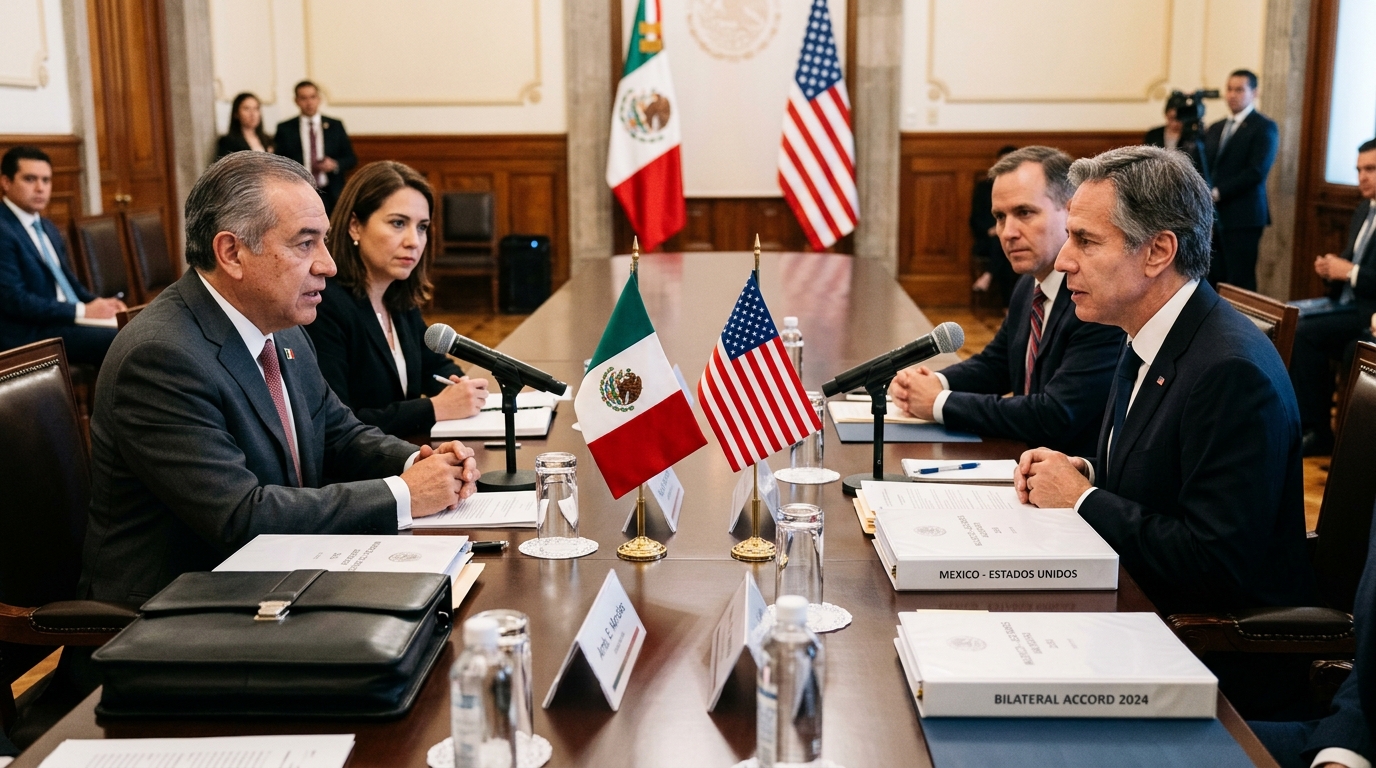
“Mexico rejects the unilateral externalization of border obligations and will not accept the transfer of third-country nationals onto our sovereign soil without explicit covenants upholding humanitarian safeguards.”
— Official Diplomatic Communiqué / Secretariat of Foreign Affairs of Mexico
Disputes Surrounding Transnational Repatriation Flights
A prominent source of tension has centered on U.S. enforcement practices routing charter removal flights carrying Mexican nationals through military airstrips in Guatemala and Honduras prior to final repatriation. The Mexican government lodged formal diplomatic protests calling for an immediate cessation of these indirect routes, condemning them as punitive and contrary to standing bilateral return pacts.
Electoral Rhetoric Versus Root-Cause Investments
Geopolitical analysts emphasize that aggressive rhetoric and technological build-ups across the southwest border remain heavily driven by domestic political maneuvers in the United States. In contrast, cross-border civil coalitions urge both capitals to reorient binational investments toward economic development in sending communities and establish genuine, high-capacity legal immigration pathways.


