

It was 6:30 in the morning when flashing police lights appeared behind Roberto’s pickup truck. An 18-year resident of Texas and construction craftsman with a clean criminal record, he was on his way to work while his three U.S.-born children slept. The pretext for the stop: a cracked taillight lens. Within two hours, Roberto was transferred into federal custody under a county 287(g) enforcement pact. Within three days, he had been expelled across the border, denied even the opportunity to embrace his family goodbye.
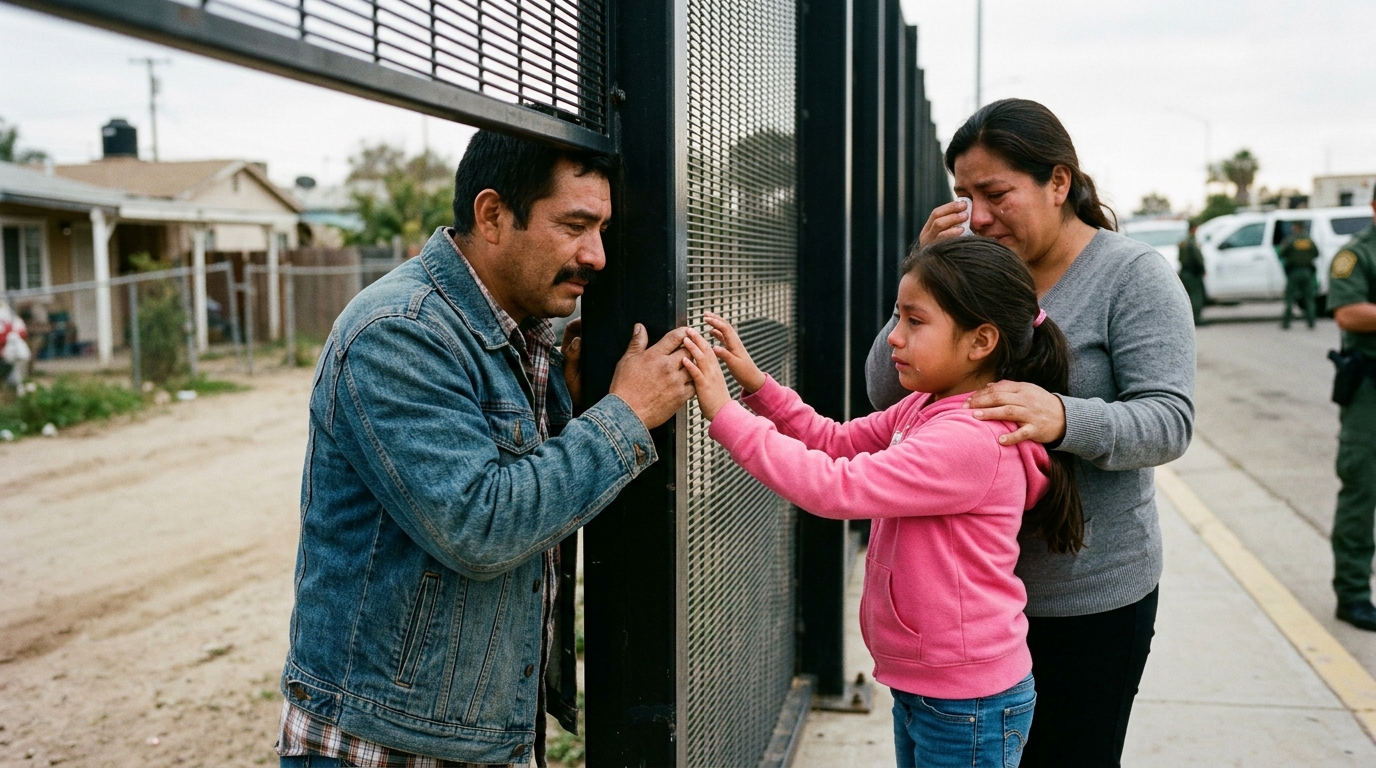
“My eight-year-old daughter still sets a plate for her father every night expecting him to walk through the door. Our home was dismantled in a matter of hours over an infraction that should have been a fifty-dollar citation.”
— Sandra M., Houston mother / United Immigrant Families Coalition
The 287(g) Pretext and Racial Profiling in Latino Neighborhoods
Civil rights attorneys emphasize that pretextual traffic stops in predominantly Hispanic zip codes have become the primary pipeline feeding federal detention quotas. By deputizing local deputies to act as immigration agents, jurisdictions incentivize racial profiling and erode public safety: victims of domestic abuse and violent crime avoid emergency services for fear that reporting a crime could cost them their household. Today, hundreds of thousands of American citizen children bear the psychological scars of forced parental exile.
Vital Precautionary Measures and Emergency Care Plans
Faced with escalating local enforcement, immigration legal aid networks urge mixed-status households to formalize comprehensive “Family Preparedness Plans.” These documents establish notarized guardianship designations to protect minors from state protective custody, secure vital civil registry records, and ensure immediate access to legal counsel before any individual signs expedited removal stipulations that waive judicial appeal rights.


