

Remittance flows transmitted by immigrant laborers throughout the United States continue to demonstrate extraordinary resilience despite macroeconomic headwinds. Closing out the third quarter of 2026, amid escalating fee schedules imposed by commercial wire conglomerates, thousands of agrarian households throughout Mexico have mobilized toward Financiera para el Bienestar (FINABIEN) branches and rural credit unions.
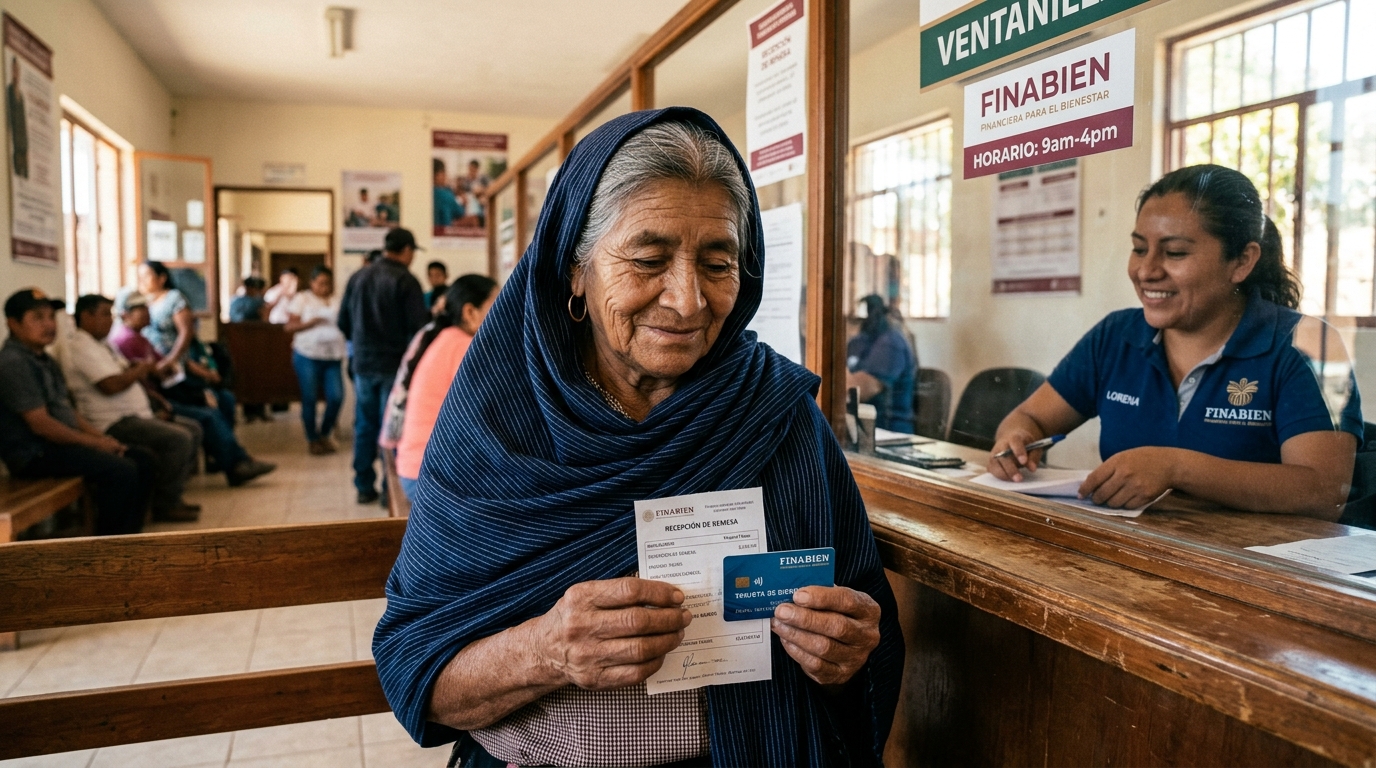
“Amid heightened currency fluctuations and steep private banking charges, remittances directed through community credit unions and public cards surged 35%, safeguarding the hard-earned wages of immigrant workers.”
— Quarterly Report, Financiera para el Bienestar (FINABIEN) / Community Remittance Networks
The FINABIEN Card: Slashing Predatory Intermediary Fees
Expanding issuance of the FINABIEN card across Mexican consulates throughout North America enables laborers to remit up to $2,500 for a fixed surcharge of just $3.99, sharply undercutting the 8% to 12% cuts taken by retail operators using deflated exchange spreads. In origin municipalities, recipients access liquidity immediately via plastic cards or at over 1,700 community-based tellers.
Direct Repercussions for Rural Community Sustainability
Rural community leaders underline that every dollar preserved from exorbitant wire commissions translates directly into food security, primary school supplies, roofing repairs, and essential medicines. Grassroots financial education and bolstered public cooperative institutions have emerged as the premier bulwark shielding migrant livelihoods from predatory corporate extraction.


