

For decades, the threat of immigration arrest has served as an unscrupulous employer’s primary weapon to enforce grueling shifts without overtime, withhold wages, and refuse safety gear on high-risk job sites. To dismantle this retaliatory leverage, the Department of Homeland Security (DHS) and Department of Labor (DOL) established the Deferred Action for Labor Enforcement (DALE) process, providing temporary protection from deportation and a two-year Employment Authorization Document (EAD) to workers participating in labor investigations.
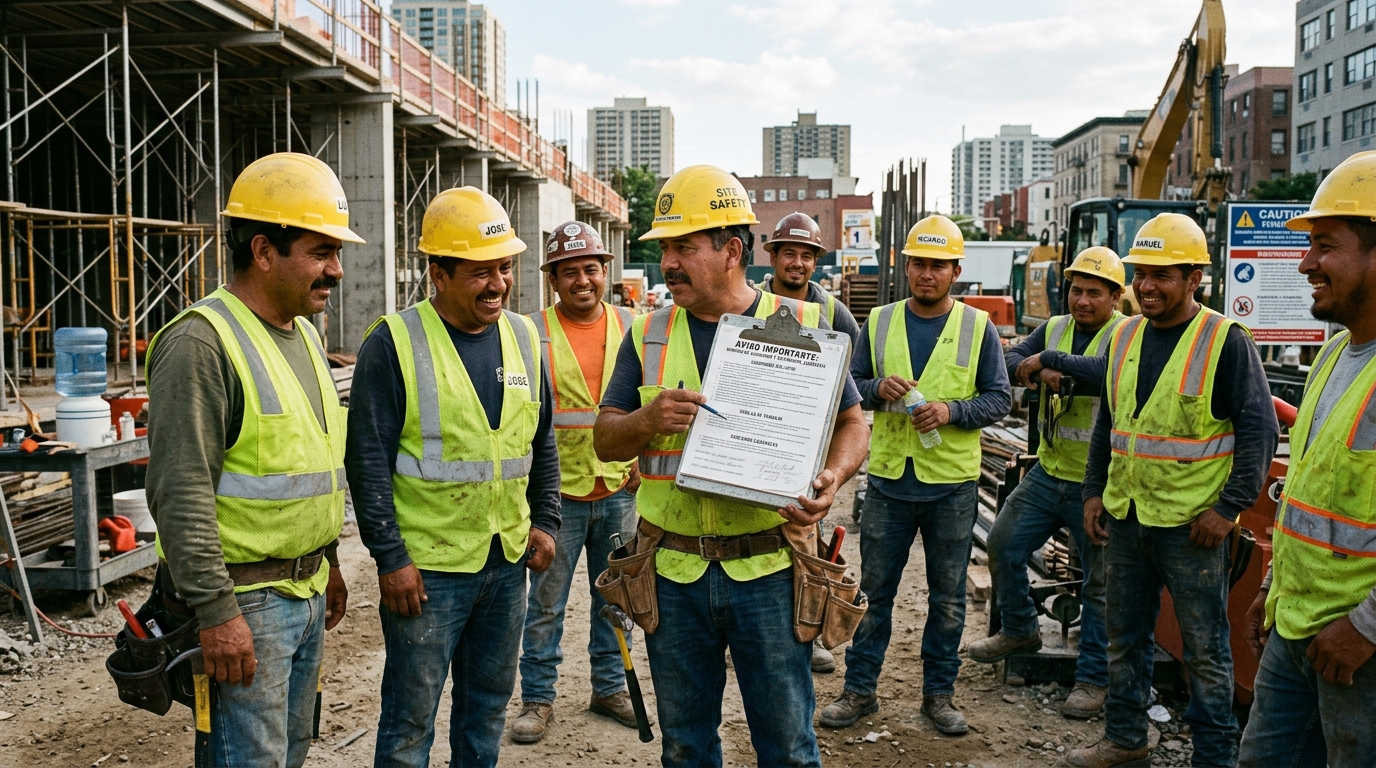
“Bad contractors used to threaten to call immigration whenever crew members requested clean water or unpaid overtime. Under DALE, that dynamic flips: workers gain affirmative legal protection while the company faces federal fines.”
— Martin Sotomayor, Senior Field Organizer / Construction Workers Rights Alliance
Step-by-Step Path to DALE Protection
Qualifying for deferred action requires that a labor standards agency (such as the federal DOL, OSHA, the NLRB, or state labor boards) submit a formal Statement of Interest affirming an active workplace probe. Once issued, individual workers submit their deferred action petition alongside Form I-765 to USCIS, securing renewable legal work privileges.
Evidence Gathering and Protection from Retaliation
Advocates advise keeping copies of timecards, supervisor text exchanges, photos of hazardous conditions, and coworker contact logs. Federal directives explicitly bar labor investigation bureaus from sharing victim identifying data with civil immigration enforcement divisions, ensuring safe participation for all affected employees.


