
The moment they stepped off the regional bus at the northern terminal, three armed men intercepted them. They did not ask for tickets or permits; hearing their Caribbean cadence was enough to identify high-value targets. For Cuban nationals traveling through northeastern Mexico, the border represents not merely a physical barrier, but an extortion gauntlet where transnational cartels weaponize diaspora ties in South Florida into a brutal, highly lucrative hostage enterprise.
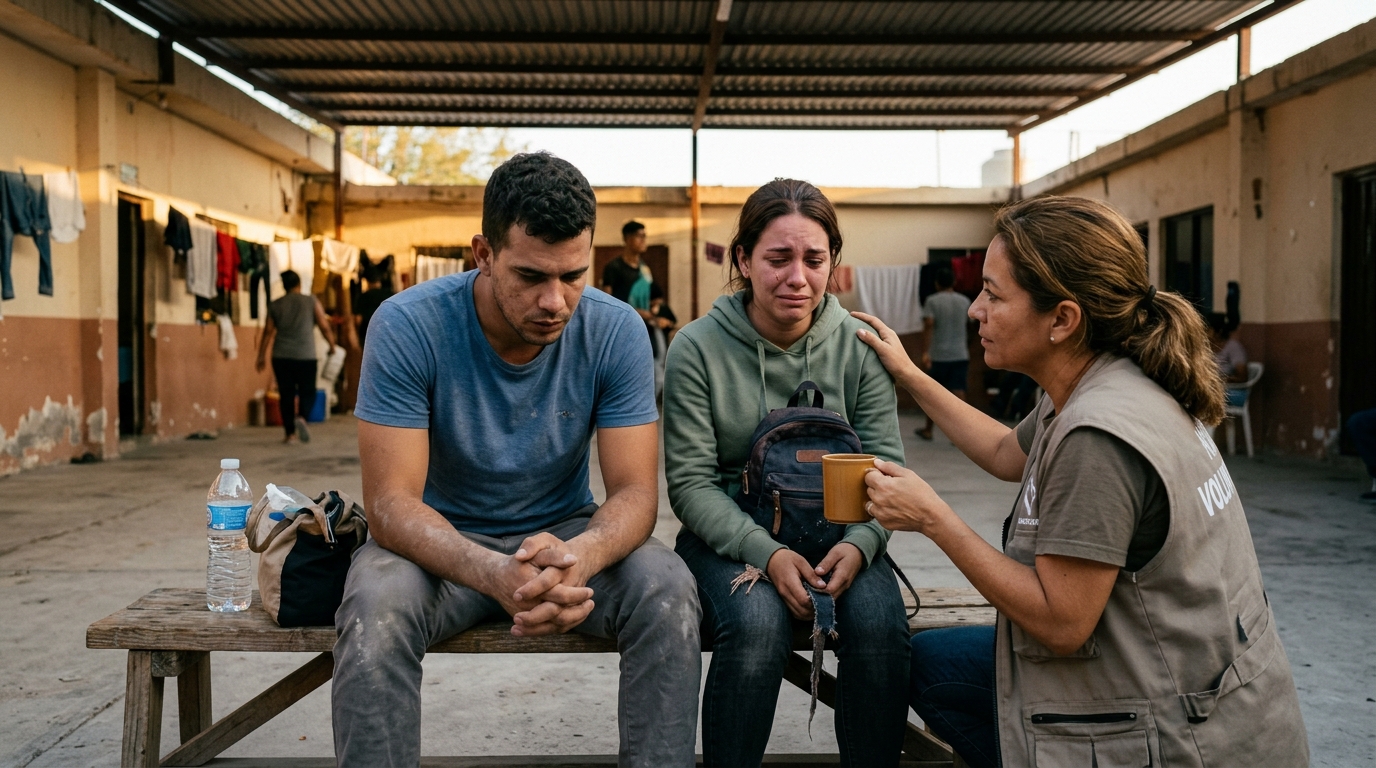
“They blindfolded us and forced us into an overcrowded warehouse with sixty people. They placed a handgun against my temple while forcing my brother in Hialeah to listen to my distress and wire five thousand dollars within three hours.”
— Yohan L., Cuban physician rescued in Reynosa / Border Shelter Testimony
Targeted Profiling and Clandestine Hostage Warehouses
Human rights monitors note that Cuban migrants are systematically profiled at transport hubs due to criminal assumptions that diaspora networks in the U.S. possess the liquidity to wire emergency ransoms. Victims are isolated in peripheral safe houses, stripped of identification and smartphones, and subjected to physical intimidation while syndicates trace electronic wire transfers in real time, often leaving families financially devastated before their relatives are released.
Self-Protection Guidelines and Urgent Calls for Humanitarian Corridors
Shelter networks and faith-based sanctuaries urge all arriving migrants to coordinate daytime transfers only, avoid lingering in commercial terminals, and seek direct escort into verified communal shelters. Grassroots organizations continually demand federal and state authorities sever corruption networks in bus stations and establish guarded humanitarian transit channels to end the hostage trade preying on displaced travelers.


