
Effective September 18, 2026, newly published guidance from U.S. Citizenship and Immigration Services (USCIS) governs all determinations of public charge inadmissibility. The policy endows adjudicating officers with broader discretion when inspecting adjustment of status petitions (Form I-485), placing rigorous scrutiny upon household income trajectories, financial affidavit sponsorship, and individual self-sufficiency.
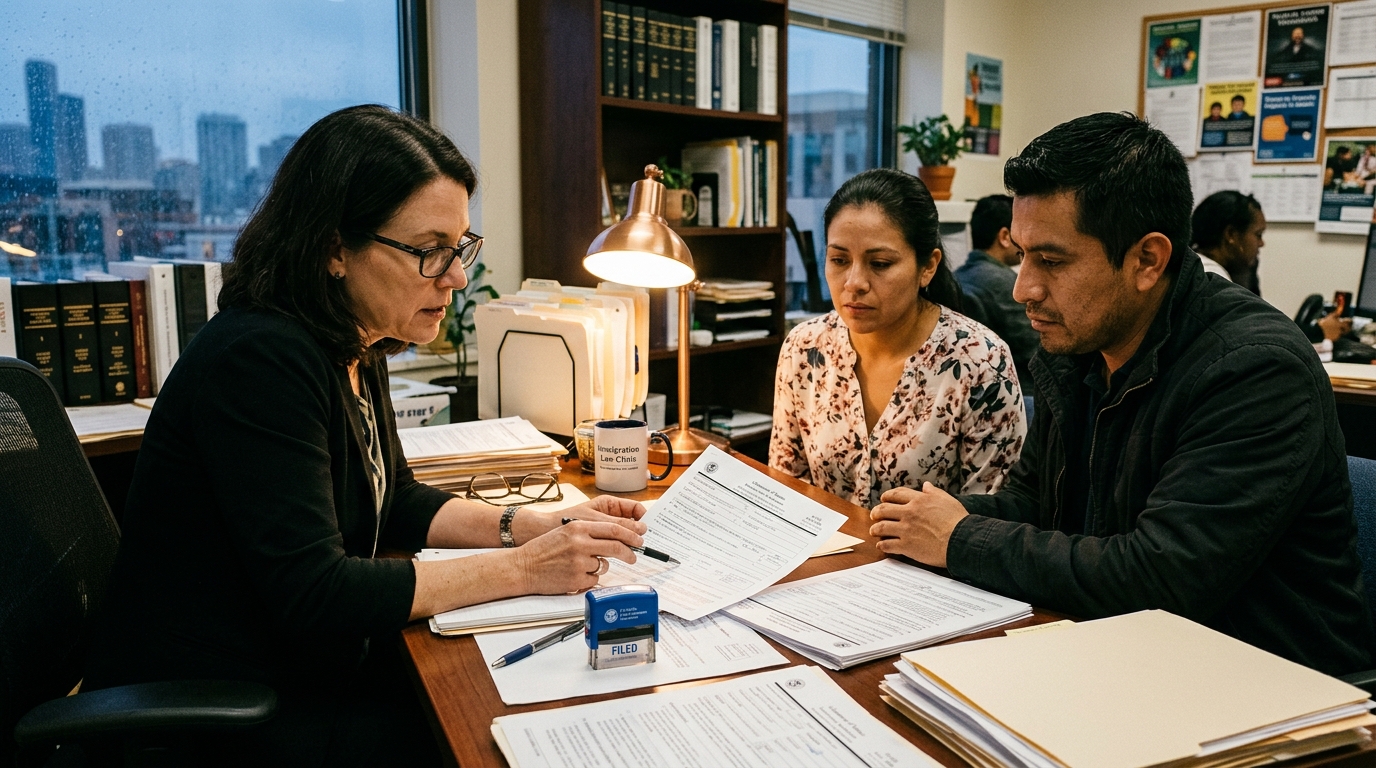
“The greatest threat right now is not the statute itself, but unchecked panic driving parents to disenroll U.S.-citizen children from vital healthcare clinics. Accurate legal education is our primary defense.”
— Elena Carranza, Immigration Law Specialist in Chicago
Strict Demarcation: Pending Petitions vs. New Filings
A pivotal technical nuance for immigrant households is the rule’s forward-looking framework: cases postmarked or electronically submitted prior to September 18, 2026, remain strictly evaluated under 2022 guidelines. Conversely, applications filed thereafter must provide comprehensive documentary evidence substantiating sustained income exceeding 125% of federal poverty guidelines.
Essential Public Benefits That Remain Fully Protected
Advocacy groups emphasize that benefits utilized by U.S.-citizen dependents—such as school nutrition programs or Medicaid for minors—are strictly excluded from the parent’s adjustment evaluation. Emergency medical care, disaster relief subsidies, and immunization services continue to be completely exempt from negative public charge considerations.


